
In the vast expanse of the video game industry, few genres demand as much cognitive engagement, patience, and analytical foresight as strategy video games. While action titles emphasize twitch reflexes and role-playing games focus on narrative immersion, strategy games position the player as a high-level commander, grand architect, or diplomatic mastermind. They transform complex systems, resource management, and tactical decision-making into deeply rewarding intellectual battlegrounds.
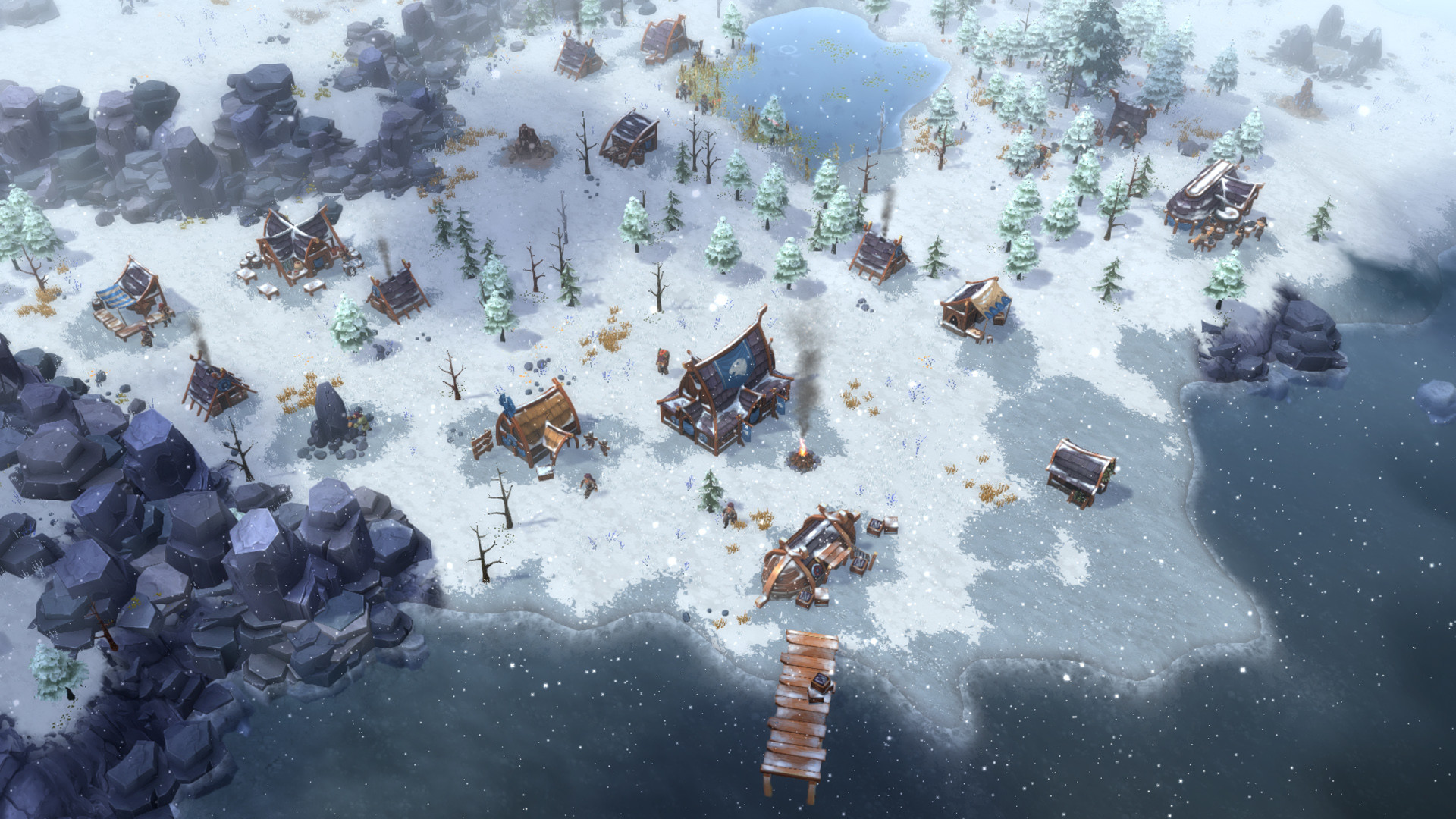
Over the decades, strategy games have evolved from digitized board games into sophisticated simulations of warfare, economics, civilization building, and space exploration. Understanding the core mechanics, subgenres, and psychological appeal of strategy gaming reveals why this genre remains a cornerstone of interactive media.
The Dual Pillars: Real-Time Strategy vs. Turn-Based Strategy
At its fundamental level, the strategy genre is divided into two distinct design philosophies: Real-Time Strategy (RTS) and Turn-Based Strategy (TBS). Both require critical thinking, but they engage the player’s brain in vastly different ways.
Real-Time Strategy (RTS): High-Speed Multitasking and Tactical Execution
In RTS games, time flows continuously. Players must gather resources, build bases, research technological upgrades, and command armies simultaneously under constant time pressure. Success relies not only on long-term planning but also on high actions-per-minute (APM) and immediate crisis management. Players must balance macro-management (economy and infrastructure) with micro-management (individual unit positioning during battle). This intense blend of mental agility and mechanical execution makes RTS games exceptionally thrilling and competitive.
Turn-Based Strategy (TBS): Deliberate Calculation and Methodical Planning
Unlike the high-speed environment of RTS titles, Turn-Based Strategy games operate like digital chess. Players take discrete turns to make decisions, allowing unlimited time to evaluate the battlefield, calculate odds, and formulate multi-step plans. This format emphasizes pure strategic depth over physical reaction speed. Whether managing a historical empire across millennia or commanding a small tactical squad through a dangerous breach, turn-based systems reward foresight, spatial awareness, and careful risk assessment.
Exploring the Major Subgenres of Strategy Gaming
Beyond the fundamental division of time mechanics, the strategy genre branches into several specialized subgenres, each catering to different strategic instincts.
Grand Strategy: The Macro-Level Simulation of History and Politics
Grand strategy games abandon the micro-level control of individual combat units to focus on the sweeping canvas of nation-building. Players manage entire empires, steering foreign diplomacy, economic trade networks, internal politics, religious shifts, and military campaigns across centuries. The complexity of grand strategy lies in its interconnected systems; a single economic policy or diplomatic betrayal can trigger unintended consequences generations later.
4X Strategy: Explore, Expand, Exploit, and Exterminate
The 4X subgenre provides one of the most addictive gameplay loops in digital entertainment. Players start with a single humble settlement or flagship in an unexplored map. Through deliberate turns, they Explore the surrounding wilderness, Expand their territorial boundaries, Exploit local resources to build advanced infrastructure, and ultimately Exterminate rival factions through military, cultural, diplomatic, or technological dominance.
Tactical Strategy and Real-Time Tactics
For players who prefer combat nuance over economic infrastructure, tactical strategy games strip away base-building and resource harvesting entirely. These titles focus exclusively on small-scale engagements, terrain advantages, line-of-sight mechanics, unit cover, and ammunition management. Every single soldier’s position and action matters, turning individual skirmishes into high-stakes tactical puzzles.
The Psychological Reward of Strategic Dominance
What makes strategy games so compelling to millions of players worldwide? The answer lies in the profound sense of agency and problem-solving satisfaction they provide.
Strategy games treat the player as an intelligent decision-maker. Winning a campaign is rarely a matter of luck; it is the direct result of analyzing information, adapting to unexpected setbacks, and executing a superior plan. When an economic supply chain operates flawlessly, or a risky flank maneuver turns the tide of a massive war, the player experiences a genuine sense of intellectual accomplishment.
Furthermore, strategy games cultivate valuable cognitive skills:
- Systemic Thinking: Understanding how disparate mechanics—such as inflation, military morale, and technological research—interact within a complex ecosystem.
- Long-Term Risk Management: Balancing short-term survival needs against long-term growth investments.
- Adaptability: Formulating contingency plans when enemy factions disrupt primary strategic objectives.
The Evolution and Future of Strategic Gaming
As artificial intelligence, cloud computing, and processing power advance, strategy games continue to push the boundaries of virtual simulation. Modern strategy titles feature increasingly sophisticated AI opponents capable of complex diplomatic maneuvering and tactical adaptation. Furthermore, hybrid genres—combining strategy elements with deck-building mechanics, survival simulations, and narrative role-playing—are attracting new generations of players to the genre.
Accessibility has also improved significantly. Modern user interfaces streamline complex data streams into intuitive visual charts, allowing players to focus on strategic decision-making rather than struggling against convoluted menus.
The Enduring Power of the Strategic Mind
Strategy video games represent a unique fusion of art, mathematics, and human psychology. By challenging players to think critically, manage scarce resources, and outsmart dynamic opponents, these games provide an intellectual experience unmatched by traditional media.
Whether commanding massive galactic armadas, guiding a historic civilization from the Bronze Age into the space era, or directing a squad through a tense tactical ambush, strategy games celebrate the power of the intellect. In a digital world often dominated by fleeting distractions, the strategy genre stands as a timeless testament to the enduring joy of deep, deliberate thought.