Funny Games

The Last Laugh: Why Funny Games Remain Modern Classics of Gaming History

The landscape of interactive digital entertainment changes at a dizzying pace. Graphics engines double their fidelity every few years, mechanics evolve, and once-revolutionary gameplay loops can fade into irrelevance. Yet, against this tide of constant technological displacement, a select category of titles retains its magic long after release: comedy and funny games.

While heavy, cinematic narrative dramas can feel dated as visual standards rise, humor has a unique resistance to time. The funny games that remain beloved across generations do not rely solely on bleeding-edge tech. Instead, they leverage timeless comedic writing, absurd emergent physics, and brilliant subversion of player expectations. Understanding why these funny games remain cultural fixtures offers a fascinating look into the psychology of play, design durability, and community culture.

The Timelessness of Subversive Humor

At the heart of every funny game that remains popular is a masterclass in subversion. Traditional video games build rigid rules: collect … Read more

Games Article

Master the Craft: 3 Essential Tips to Create Effective Video Game Guides

The gaming landscape has transformed dramatically over the past two decades. As video games become larger, more complex, and packed with intricate mechanics, players increasingly rely on game guides to help them navigate difficult bosses, find hidden collectibles, or optimize their character builds. However, the internet is saturated with poorly structured, vague, and SEO-stuffed guides that leave readers more frustrated than when they started.

Creating a truly effective video game guide requires a balance of gaming expertise, clear communication, and thoughtful structural design. Whether you are building a personal gaming blog or writing for a major publications platform, here are three essential tips to create video game guides that genuinely help players and keep them coming back for more.

1. Structure Content for Instant Scannability and Clarity

When a player searches for a video game guide, they are almost always stuck in the middle of a gaming session. They do … Read more

Games Online

How Gamers Transformed into the World’s Most Powerful Cultural Ecosystem

For decades, the word “gamer” carried a remarkably narrow stereotype: a teenager isolated in a dimly lit bedroom, holding a controller, disconnected from the physical world. That image is not just outdated—it is entirely obsolete.

Today, over 3.4 billion people participate in video games globally. That represents more than 40% of the Earth’s total population engaging in interactive digital media. Gamers are no longer defined by a subculture; they are the culture. From working professionals unwinding on evening commutes to professional esports athletes competing in sold-out stadiums, the global identity of the player has evolved into one of the most complex, diverse, and influential demographics in human history.

The Modern Demographic Shift: Who Is Actually Playing?

To understand gamers today, one must dismantle the lingering myths surrounding age and gender.

Data shows that the average player is no longer a teenager. Approximately 80% of all gamers globally are … Read more

Strategy Games

Architects of Victory: The Intellectual Depth and Appeal of Strategy Video Games

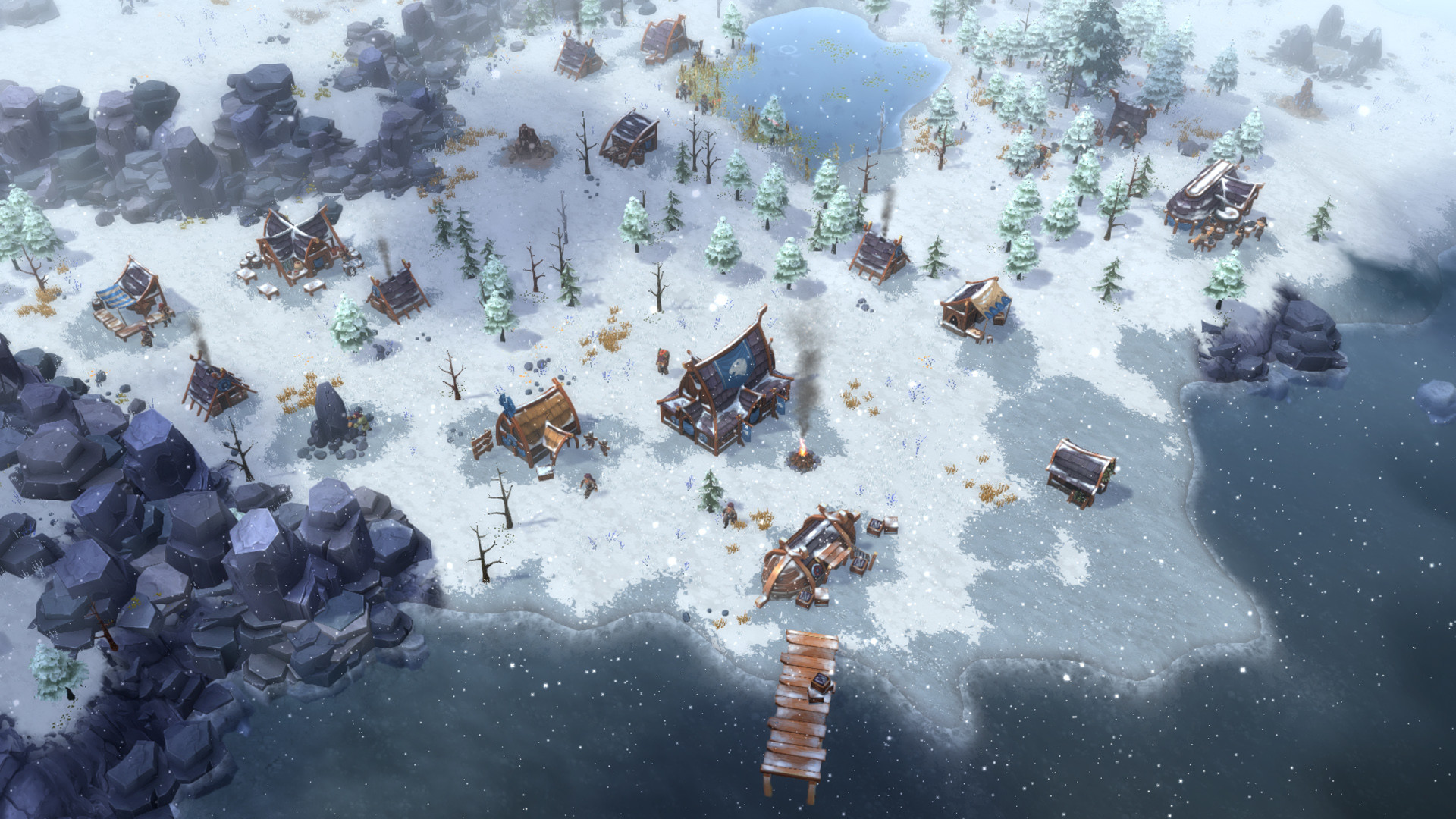
In the vast expanse of the video game industry, few genres demand as much cognitive engagement, patience, and analytical foresight as strategy video games. While action titles emphasize twitch reflexes and role-playing games focus on narrative immersion, strategy games position the player as a high-level commander, grand architect, or diplomatic mastermind. They transform complex systems, resource management, and tactical decision-making into deeply rewarding intellectual battlegrounds.

Over the decades, strategy games have evolved from digitized board games into sophisticated simulations of warfare, economics, civilization building, and space exploration. Understanding the core mechanics, subgenres, and psychological appeal of strategy gaming reveals why this genre remains a cornerstone of interactive media.

The Dual Pillars: Real-Time Strategy vs. Turn-Based Strategy

At its fundamental level, the strategy genre is divided into two distinct design philosophies: Real-Time Strategy (RTS) and Turn-Based Strategy (TBS). Both require critical thinking, but they engage the player’s brain in vastly different … Read more

Funny Games

Beyond the Lens: The Mind-Bending Evolution of First-Person Puzzle Games

The first-person perspective in video games was long dominated by high-octane shooters and fast-paced action titles. For decades, looking through the eyes of an in-game character meant aiming a weapon at digital targets. However, a quiet revolution occurred when game designers realized that the immersive power of the first-person camera. Could be harnessed for a fundamentally different purpose: intellectual engagement, spatial reasoning, and profound philosophical exploration.

Thus, the First-Person Puzzle genre was born. By removing twitch reflexes and combat pressure, these games invite players to slow down. Observe their surroundings, and manipulate complex environments. They turn the player’s mind into the ultimate tool, creating some of the most memorable and cerebral experiences in modern interactive media.

The Spatial Magic of the First-Person Perspective

What makes the first-person view so uniquely suited for puzzle design? The answer lies in spatial presence and scale. When players view a world through an isometric … Read more